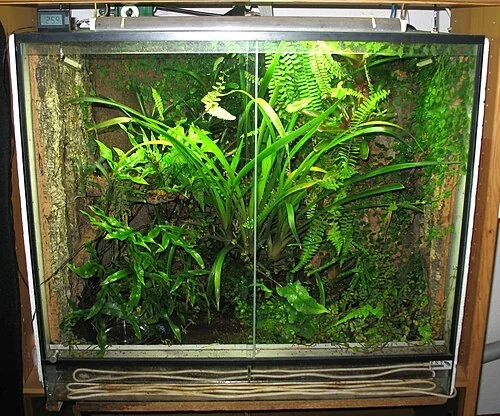
Start with the whole picture
An appetite change is a sign to investigate, not a diagnosis. Note when your dragon last ate, what was offered, and whether anything else has changed.
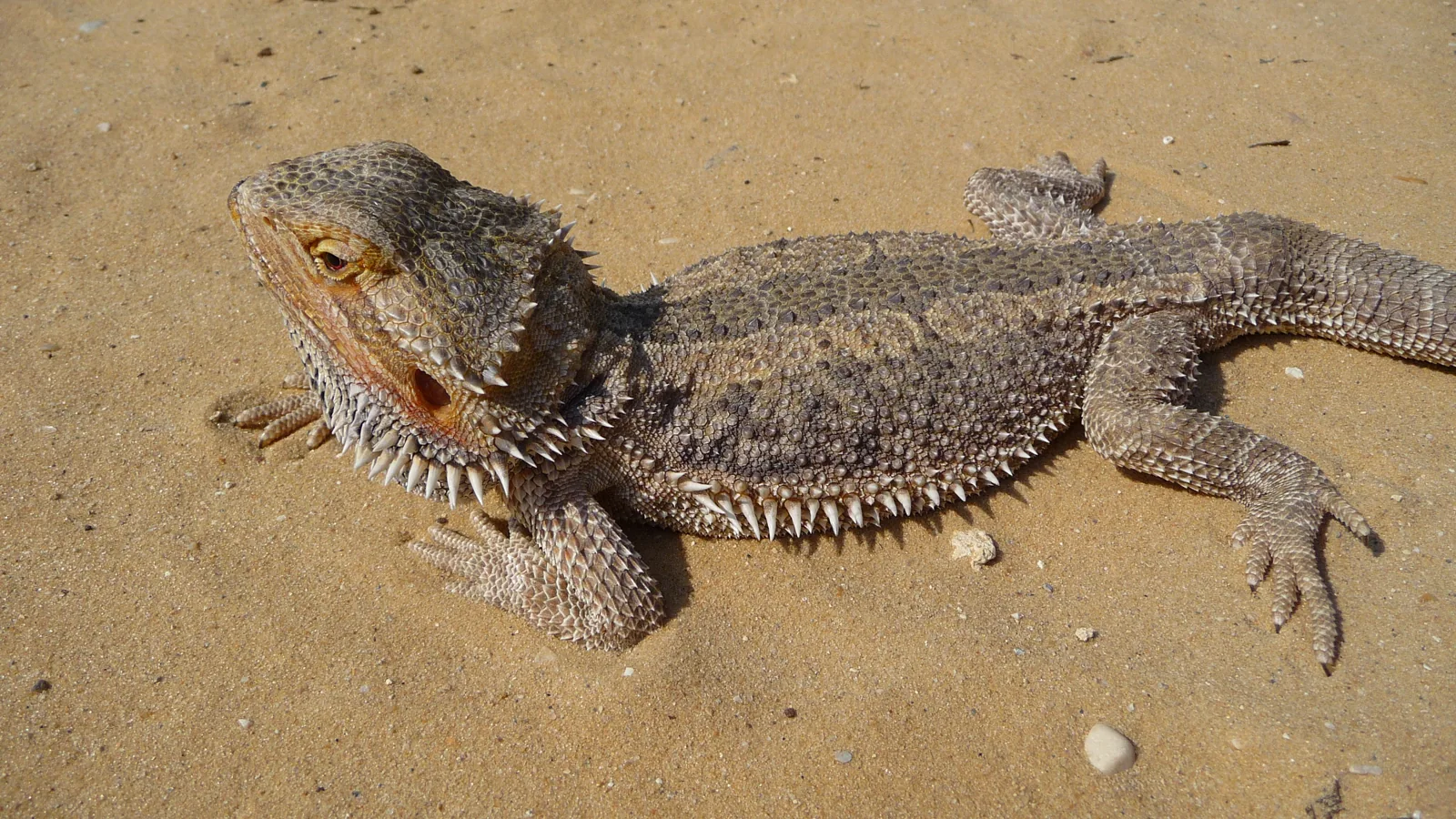
Write down what changed
Record recent moves, enclosure changes, shedding, droppings and activity. Bring this timeline, photographs of the setup and your measurements to a veterinary appointment.
Observation is a starting point.
Use these notes to support a conversation with your veterinarian. They do not establish a diagnosis.
Check the setup
Review the enclosure against the species care guide. Write down measured conditions and the equipment in use, rather than relying on the settings shown on a controller.
When to contact a vet
A dragon that stops eating entirely or loses weight needs veterinary attention. Do not assume that a seasonal change explains a decline in health.
Prepare for the appointment
Gather the animal’s age, diet history, supplement names, light details and recent weight records. Ask the clinic how to transport your lizard and whether to bring a fresh sample.
Common questions
Where should I start if I’m new to this species?
Begin with the species hub and work through its care topics before choosing equipment or making a feeding plan.
How do I keep useful care records?
Use a dated notebook or simple log for food, activity, equipment changes and questions you want to ask your reptile veterinarian.
Reference
RSPCA · Bearded dragon care ↗
Editorial draft. Further references and review details will be added before the guide is finalized.