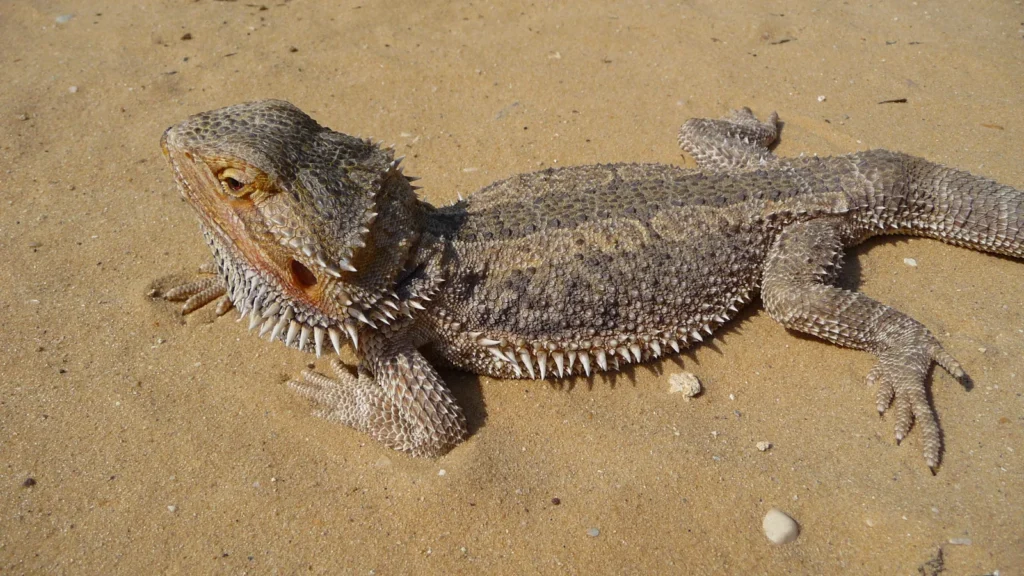
At a glance: The answer to why is my bearded dragon not eating usually comes down to setup or normal life cycle, not a mystery illness. Check basking temperature and UVB first. Then rule out brumation, shedding, and stress before assuming illness, and call a reptile veterinarian if the fast lasts more than two weeks.
As an Amazon Associate, Lizardist earns from qualifying purchases. Some product links on this page are affiliate links.
Why is my bearded dragon not eating is one of the most common questions keepers search. The answer is rarely a single cause. Bearded dragons are hardy, but their appetite tracks temperature, light, and life stage closely.
Working through the likely causes in order beats guessing. This guide ranks them by how often they actually explain the problem: temperature and UVB first, then brumation, shedding, stress, parasites, and impaction. Each section covers what to check and what counts as normal.
Check the Temperature First
Answering why is my bearded dragon not eating usually starts with the enclosure, not the animal. Bearded dragons cannot digest food properly if their tank runs too cool. Daytime ambient temperature should sit around 80 to 85°F, with a basking spot of about 88 to 95°F, provided by a bulb such as the Zoo Med Repti Halogen Basking Spot Lamp.
Those UC Davis figures describe the air just above the basking perch. A temperature gun aimed at the rock itself reads higher, often past 100°F, because the surface absorbs the lamp’s heat.
Know which number your thermometer reports before adjusting anything, and see the bearded dragon temperature guide for both readings. Night temperature can drop to 70 to 75°F without harm.
If the basking area or cool side reads cooler than these ranges, appetite often drops. A bearded dragon simply cannot process food well in a cold tank. A digital probe thermometer at both zones settles the question in minutes.
Check the UVB Setup
A dragon without working UVB cannot make the vitamin D3 it needs for calcium metabolism. Poor UVB exposure often shows up first as appetite loss. The bulb should span most of the enclosure and sit close enough to the basking branch to matter.
UVB output fades long before a bulb visibly burns out. Replacement schedules run from every three to six months for basic tubes up to twelve months for some high output bulbs, depending on type. A full UVB setup guide covers bulb types and placement.
A bulb that is months overdue is a common, overlooked cause of appetite loss. Swapping it out is cheap and easy to test first.
Consider Brumation
Brumation is a seasonal slowdown, not true hibernation, and it is one of the most common reasons a healthy adult stops eating. Signs include lethargy, long inactive stretches, refusing food, and skipping bowel movements. Scales may also look slightly darker than usual.
In the wild, this slowdown lines up with the Australian winter, roughly May through August, when VCA notes days reach only 68 to 72°F and nights fall to 40 to 44°F. Indoors, a room that drops below about 60°F for several days can trigger similar behavior at any time of year. Sexually mature dragons, generally past 10 to 18 months old, are the most likely to brumate.
Brumation should not be assumed automatically. If the enclosure stays within normal ranges and the dragon is still lethargic and not eating, illness is more likely. Young dragons or ones with a rough diet history should see a reptile veterinarian before a long fast continues.
Shedding
Bearded dragons often eat less in the days before a shed. Some go almost entirely off food until the old skin comes loose. This is normal and usually resolves within a week once shedding finishes.
Retained shed around the toes, tail tip, or eyes can cause discomfort and swelling. It is worth checking for and gently addressing with warm soaks if it lingers.
Stress and a New Environment
A recently purchased or rehomed dragon commonly refuses food for the first several days to a couple of weeks. It is adjusting to a new enclosure, new smells, and a new routine. Excess handling, a noisy location, and a housemate can all delay settling.
Adult male bearded dragons should never share an enclosure. The resulting territorial stress alone can suppress appetite for both animals. Quiet time, a secure hide, and a stable schedule for a week or two often solves the problem on its own.
Parasites and Illness
Intestinal parasites are common and can cause weight loss, poor appetite, and abnormal stool. This happens even when temperature and lighting are correct. A fresh fecal sample checked by a reptile veterinarian is the only reliable way to confirm or rule this out.
An annual wellness exam with a fecal screen is recommended for every dragon, regardless of symptoms. Other signs of illness include failure to bask, lethargy, vent discharge, lumps, skin lesions, and eyes that look swollen or closed.
A dragon with clear eyes, healthy skin, and normal basking alongside a short appetite dip is far less concerning. Several of these signs together point toward a vet visit sooner rather than later.
Impaction
Gut impaction happens when a dragon swallows something it cannot pass. This is usually an insect that is too large or a mouthful of loose substrate. Feeder insects should never be wider than the space between the dragon’s eyes.
Oversized prey has been linked to partial paralysis, seizures, loss of coordination, and impaction serious enough to need treatment. A dragon with impaction may stop eating, strain without producing stool, or show a firm swelling along the belly. This calls for a reptile veterinarian rather than home remedies.
Baby Bearded Dragon Not Eating
A baby bearded dragon not eating deserves faster attention than an adult doing the same. Juveniles carry far less body fat in reserve. They should be offered five to six appropriately sized insects a day plus fresh greens, on a routine feeding schedule.
A young dragon that skips more than a day or two of meals needs a temperature and UVB check right away, especially alongside lethargy. Babies also shed far more often than adults, which explains many short dips on its own. The shift to less frequent feeding around 30 grams is a normal growth stage milestone, not a warning sign.
What Bearded Dragons Should Not Eat
Sometimes a dragon is refusing one food, not food in general. Fireflies, avocado, onions, and mushrooms are toxic and should never be offered. UC Davis also lists cabbage, chard, and kale as high oxalate greens that bind calcium, and spinach, broccoli, and parsley as goitrogens that disturb thyroid function when fed often, as covered in a full list of foods to avoid.
Low value fillers such as corn, cucumber, zucchini, and iceberg lettuce are another reason a dragon looks off its food. A bowl of watery vegetables satisfies the eye but not the animal. Swap in collard greens, mustard greens, or squash and appetite often returns.
A dragon that turns away from one new vegetable is not necessarily sick. Rotating in a known favorite alongside anything new is a simple test.
How to Get a Bearded Dragon Eating Again
- Verify basking and ambient temperatures with a digital probe thermometer, not a stick on gauge.
- Confirm the UVB bulb, such as the Arcadia ProT5 Kit Desert 12%, is the correct type, positioned at the right distance, and not overdue for replacement.
- Offer food in the morning after basking, when digestion is most active.
- Try a favorite feeder insect or green the dragon has eaten before, sized correctly.
- Reduce handling and activity around the enclosure for a few days if stress seems likely.
- Check for signs of an approaching shed, including dull or grayish skin.
- Weigh the dragon on a small kitchen scale weekly to catch real weight loss early.
- Book a reptile veterinarian visit with a fresh fecal sample if the fast passes two weeks.
When to See a Reptile Veterinarian
An adult that skips food for a week or two while showing normal energy and basking is usually fine to watch. A visit is the right next step once the fast passes two weeks. It is also warranted if a baby skips more than a couple of days.
The same is true if the dragon shows lethargy, weight loss, vent discharge, swelling, sunken eyes, or a change in stool. A reptile veterinarian can check hydration, run a fecal test, and rule out impaction or organ disease. A broader bearded dragon care sheet is a good next stop once the immediate problem is resolved.
Frequently Asked Questions
How long can a bearded dragon go without eating?
A healthy adult can often go one to two weeks without serious harm, especially during brumation or a shed. A baby or juvenile should not go more than a day or two before a keeper investigates.
Is it normal for a bearded dragon to stop eating in winter?
Yes, many adults brumate in response to shorter days and cooler temperatures, which suppresses appetite for weeks. A vet check is still wise for a young dragon or one with a history of parasites.
Why is my bearded dragon not eating but still active?
An active dragon that skips meals is often dealing with an approaching shed, a slightly cool basking spot, or normal pickiness. Confirming temperature and UVB first usually resolves this within a few days.
My bearded dragon will not eat and sleeps a lot, what does that mean?
Lethargy paired with appetite loss is more concerning than appetite loss alone. It points toward brumation, illness, or a temperature problem. If temperatures check out as normal, a veterinary visit is the safer next step.
How do I get my bearded dragon to eat again?
Start by correcting temperature and UVB. Then offer a known favorite food in the morning after basking. If the dragon still refuses food after two weeks, a reptile veterinarian should examine it.
Can stress alone stop a bearded dragon from eating?
Yes, a new home, a cage mate, heavy handling, or a loud location can all suppress appetite. Quiet, stable conditions for a week or two often bring the appetite back on their own.
Sources
- UC Davis School of Veterinary Medicine: Bearded Dragon Care. https://healthtopics.vetmed.ucdavis.edu/health-topics/exotics/bearded-dragon-care
- VCA Animal Hospitals: Brumation in Bearded Dragons. https://vcahospitals.com/know-your-pet/brumation-in-bearded-dragons
- Merck Veterinary Manual: Management and Husbandry of Reptiles. https://www.merckvetmanual.com/exotic-and-laboratory-animals/reptiles/management-and-husbandry-of-reptiles
- Animal Diversity Web: Pogona vitticeps. https://animaldiversity.org/accounts/Pogona_vitticeps/