The best substrate for bearded dragons depends on age and setup, and there is no single answer for every enclosure. Juveniles need a solid, particle free floor. A healthy, watched adult can often live on a loose natural mix instead.
At a glance: Paper towel, newspaper, and reptile carpet are the safest choices for young dragons. A topsoil and sand mix or bioactive soil, such as Josh’s Frogs Desert BioBedding, can work for adults that are dish fed and monitored. Loose calcium sand, wood chips, and gravel are widely discouraged.
As an Amazon Associate, Lizardist earns from qualifying purchases. Some product links on this page are affiliate links.
Why Substrate Choice Matters
A bearded dragon’s substrate sits under it for years. It affects hygiene, joint wear, and digestion all at once. Loose particles can be swallowed along with food, especially by fast striking juveniles.
That risk is why substrate draws so much debate among keepers. North Carolina State University’s veterinary hospital lists impaction as a real concern with small particle bedding. It also recommends feeding insects from a dish rather than off the floor.
Solid surfaces such as hard tile also affect claw and joint wear over time. Choosing the best substrate for bearded dragons means weighing all of these factors together. Looks alone should never decide it.
The Safest Solid Options
Paper towel, plain newspaper, and reptile carpet carry no impaction risk. There is nothing loose for a dragon to swallow. Veterinary sources such as North Carolina State University recommend these materials, though some reptile care sources argue carpet and tile limit digging for adults.
They also suit any dragon recovering from illness or surgery. Daily spot cleaning is simple, since waste sits on top rather than mixing in. This makes it easy to catch changes in stool right away.
The tradeoff is that a flat surface does not let a dragon dig or burrow. Reptile carpet also needs regular washing to stop bacteria and fungus from building up. Many keepers use paper based bedding for the first few months, then move to something more natural.
Tile and Slate
Ceramic tile and slate are popular non particle choices. They hold heat well under a basking light and wipe clean easily. Cut tile also lasts the life of the enclosure once bought.
The main downside is texture. A flat, hard surface offers no traction and no digging. This can affect nail wear and normal exploring behavior over years of use.
Some keepers combine tile under the basking light with a softer substrate elsewhere. That gives a dragon both a stable heat surface and room to dig. It is a common middle ground in mixed setups.
Sand and Soil Mixes
A blend of roughly two parts topsoil to one part washed play sand is a common bearded dragon substrate mix. It mimics the packed desert ground bearded dragons evolved on. Plain play sand alone, or a bagged desert substrate, is also used by many keepers.
These loose blends let a dragon dig and burrow to cool off. That digging is natural behavior that flat surfaces cannot support. It is also the style that draws the most disagreement among care sources.
Veterinary sources such as North Carolina State University specifically discourage sand. That includes calcium based sand marketed as safe to digest. Their concern is impaction from accidental ingestion over time.
Keepers who choose a sand mix for a bearded dragon should stick to adults only. Insects and greens should always go in a dish, kept away from loose particles. Sift the mix for debris and skip any product with added fertilizer.
Keep the top layer dry enough to pack rather than shift underfoot. A shallow layer over a hard base is easier to manage than a deep loose bed. Spot clean waste daily so bacteria does not build up below the surface.
Bioactive Substrate
A bioactive setup layers drainage material, soil, and leaf litter. Isopods or springtails are then added to break down waste over time. It is a more advanced route best suited to large adult enclosures.
Live plants often go along with a bioactive substrate. They add humidity buffering and give a dragon more to explore. The keeper still needs to dish feed insects rather than scatter them on the ground.
Because bioactive blends still contain loose soil, the same feeding rules apply here. This is not a beginner setup for a hatchling. It suits a calm, established adult in a roomy tank instead.
Read a full enclosure guide before committing to bioactive substrate. Tank size and layout both affect whether it is practical. A cramped enclosure makes drainage and cleaning much harder.
Substrates to Avoid
Wood chips, bark, walnut shell, gravel, and corn cob bedding are all widely discouraged. These materials are sharp, dusty, or prone to holding moisture and mold. Several carry an impaction risk of their own because of their size and shape.
Calcium sand marketed as digestible is also flagged by veterinary sources despite the marketing. Loose carpet fibers can snag claws and toes as well. Loose, unwashed outdoor soil may carry parasites, mold, or pesticide residue.
When unsure, a plain paper based substrate beats an unfamiliar loose material. It costs less to test and carries no ingestion risk. That makes it a safe default while researching other options.
Recommended Bearded Dragon Substrate Products
If you want a substrate that matches the guidance above without guesswork, the picks below cover the two safest routes: a premixed bioactive blend for a naturalistic setup, and simple solid options for juveniles or quarantine tanks. Each one avoids the loose sand and soil mixes that raise impaction risk.
- Best overall bioactive mixThe Bio Dude Terra FirmaView on Amazon
- Best premixed starterJosh’s Frogs Desert BioBeddingView on Amazon
- Best solid optionSlate or Ceramic TileView on Amazon
- Best budget or quarantine linerCon-Tact Shelf LinerView on Amazon
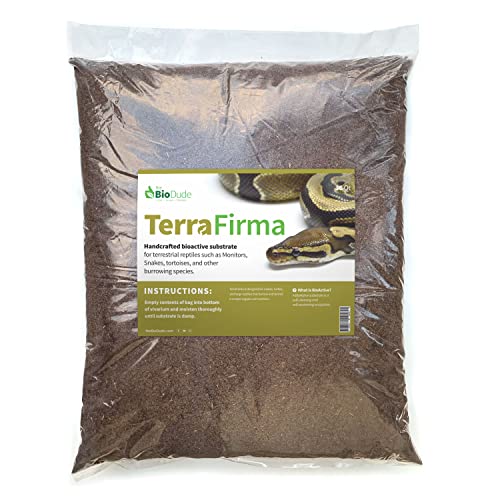
The Bio Dude Terra Firma
Best for a naturalistic desert enclosure with a cleanup crew.
- Premixed desert bioactive substrate
- Supports isopods and springtails
- Built for arid species tanks
Why we pick it
- Compacts like natural desert soil instead of loose sand
- Holds burrows without collapsing
Keep in mind
- Let it cure and settle for a few days before adding your dragon
- Not the best choice if your dragon has a history of impaction

Josh’s Frogs Desert BioBedding
Best for a first bioactive tank without mixing your own blend.
- Ready to use out of the bag
- Formulated for desert and arid species
- Supports arid isopods and springtails
Why we pick it
- Skips the trial and error of building a custom mix
- Compacts enough to hold a shallow burrow once lightly moistened
Keep in mind
- Keep the surface dry and spot clean daily, since a damp top layer invites mold

Slate or Ceramic Tile
Best for juveniles, quarantine tanks, or keepers who want zero impaction risk.
- Cut to fit any enclosure floor
- Holds and releases basking heat evenly
- Wipes clean in seconds
Why we pick it
- Nothing to ingest, so it is the safest floor for young dragons
- Doubles as a heat sink under the basking spot
Keep in mind
- Sand and seal the cut edges before use
- Check basking area temperatures for hot spots on dark slate

Con-Tact Shelf Liner
Best for a temporary or hospital setup on a tight budget.
- Low cost per square foot
- Cuts to fit with scissors
- Wipes clean with reptile safe disinfectant
Why we pick it
- Easy to swap out during illness or shedding without disturbing bioactive setups
- Simple to disinfect between uses
Keep in mind
- Choose the non adhesive version, never a carpet backed liner
- Trim any loose threads that could snag a toe
Substrate by Life Stage
Hatchlings and young juveniles should stay on paper towel, newspaper, or reptile carpet. This should continue until they are feeding reliably and have grown well past the hatchling stage. Reptiles and Research notes that feeding habits shift around 30 grams of body weight.
That weight is a reasonable point to reassess the setup. Check the growth stages guide before changing anything at once. Small changes are easier to track than several at the same time.
Adults that are calm, well established, and always dish fed are better candidates for loose substrate. Even then, daily spot cleaning and dish feeding matter most for safety. These two habits do more for a dragon’s health than the substrate brand itself.
If a dragon ever seems constipated, lethargic, or stops eating, switch back to a solid substrate right away. Also review its feeding schedule and recent meals. Then contact an exotic vet if symptoms continue.
Pairing Substrate With the Rest of the Enclosure
Substrate does not work alone. Basking and ambient temperatures still need to follow a solid tank setup plan regardless of floor material. Correct UVB exposure matters just as much for bone health.
Ambient humidity also interacts with substrate choice, since damp loose material molds faster than paper. Review the full care sheet for a complete picture of what a dragon needs. Substrate is one piece of a larger setup, not a fix on its own.
Cleaning and Maintenance
Whatever substrate is chosen, spot clean feces and shed skin every day. A dragon should never be walking through soiled bedding. Paper and carpet need full replacement or a wash on a rotating schedule.
Loose substrate needs its top layer scooped and refreshed on a similar schedule. A full deep clean of the enclosure should still happen on top of daily checks. Rinse thoroughly after disinfecting so no residue remains.
This step matters most with loose mixes, since bacteria and mold can build up unseen below the surface. A steady cleaning schedule lowers the health risks tied to almost any substrate choice. It is the habit that matters more than the material itself.
Frequently Asked Questions
What is the best substrate for a bearded dragon overall?
There is no single best substrate for bearded dragons that fits every setup. Paper towel or reptile carpet is the safest all around choice. A topsoil and sand mix or bioactive soil suits calm, dish fed adults instead.
Is sand safe for bearded dragons?
Play sand and sand mixes are used by many experienced keepers with adult dragons. Several veterinary sources still discourage sand because of impaction risk. If sand is used, feed from a dish and watch for any change in appetite.
Can hatchling bearded dragons use sand?
No. Hatchlings and young juveniles should stay on paper towel, newspaper, or reptile carpet. This should last until they are feeding reliably and past the hatchling stage.
What bedding should never be used for bearded dragons?
Wood chips, bark, walnut shell, gravel, corn cob bedding, and calcium sand are all discouraged. These materials carry higher impaction risk or hold moisture and mold more than paper or a well managed soil mix.
How often should bearded dragon substrate be cleaned?
Spot clean waste every day regardless of substrate type. Paper and carpet should be washed or replaced on a rotating basis. Loose substrate needs its surface layer refreshed on a similar schedule.
Does tile make good bearded dragon substrate?
Tile holds heat well and carries no impaction risk, which suits the basking area. It offers little traction or digging room on its own. Many keepers pair it with a diggable substrate elsewhere in the tank.
Sources
- North Carolina State University College of Veterinary Medicine: Caring for Your Pet Bearded Dragon. https://hospital.cvm.ncsu.edu/services/small-animals/nutrition/caring-for-your-pet-bearded-dragon/
- Washington State University Veterinary Teaching Hospital: Bearded Dragon Husbandry. https://hospital.vetmed.wsu.edu/2026/03/02/bearded-dragon-husbandry/
- UC Davis School of Veterinary Medicine: Bearded Dragon Care. https://healthtopics.vetmed.ucdavis.edu/health-topics/exotics/bearded-dragon-care
- Reptiles and Research: Bearded Dragon Care Sheet. https://reptilesandresearch.org/care-sheets/bearded-dragon-care-sheet
- PetMD: Bearded Dragon Care Sheet. https://www.petmd.com/reptile/bearded-dragon-care-sheet