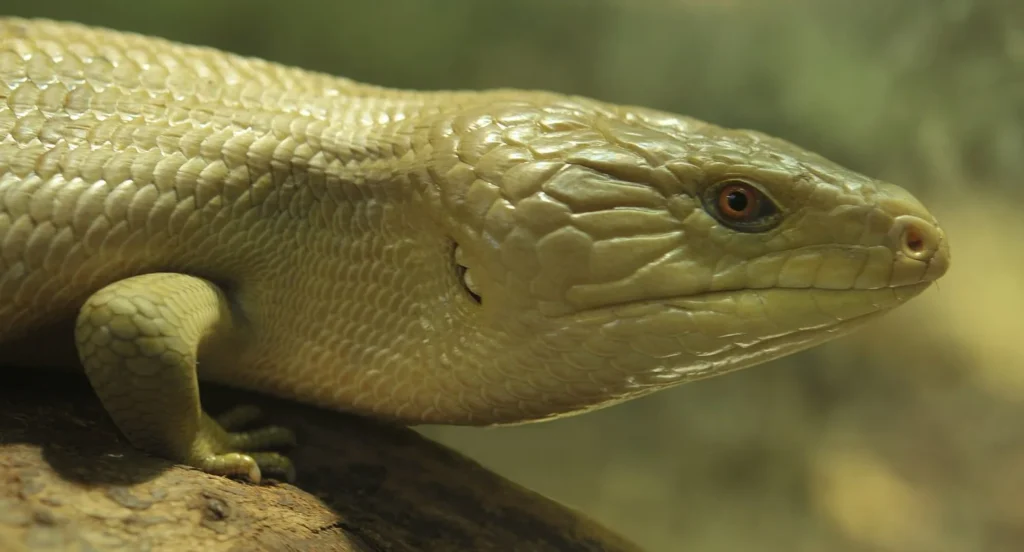
At a glance: The best pet lizards for most people are small, calm species like leopard geckos and bearded dragons.
A full lizard setup typically runs $300 to $600 to start. Ongoing costs land around $20 to $50 a month for food, supplements, and electricity.
Always check your state and local rules first. Some species need permits, and a few are restricted entirely.
As an Amazon Associate, Lizardist earns from qualifying purchases. Some product links on this page are affiliate links.
The best pet lizards share a few traits. They stay a manageable adult size and tolerate gentle handling.
They also eat a diet you can source at any pet store. Leopard geckos and bearded dragons top most lists for good reason.
They stay small, settle into handling quickly, and their care routine is well documented across decades of captive breeding. Not every lizard belongs in a beginner home, though.
Some species grow to the size of a dog. Some need whole rodents, and a few carry real legal restrictions.
This guide covers the best pet lizards by experience level. It also covers what a lizard actually costs and what every species needs to stay healthy.
The Best Lizard for Beginners
A true beginner lizard should handle occasional touching without much stress. It should live comfortably in a tank you can buy off the shelf.
It should also eat food that is easy to find at a pet store or online. Four species consistently meet all three of those tests.
| Species | Adult size | Typical lifespan | Why it works for beginners |
|---|---|---|---|
| Leopard gecko | 5 to 10 inches | 10 to 12 years, often longer | No UVB strictly required, simple insect diet, calm and easy to handle |
| Bearded dragon | 16 to 24 inches including tail | 10 to 12 years, sometimes longer | Social, alert during the day, tolerates regular handling well |
| Crested gecko | 6 to 8 inches | 15 to 20 years reported | Simple powdered diet, no basking bulb strictly needed |
| Blue tongue skink | 18 to 24 inches | 15 to 20 years reported | Docile, food motivated, easy omnivorous diet |
Leopard geckos are usually the single most recommended starter lizard. They come from arid parts of Asia and rarely grow past 10 inches.
Most keepers get them settled into a steady routine within a few weeks. Bearded dragons ask for a bit more equipment, mainly a proper UVB tube, such as the Arcadia ProT5 Kit Desert 12%, and a varied diet.
In return they tend to be the most interactive lizard for a first time keeper. Many take food from the hand and learn to recognize their owner.
Crested geckos suit anyone nervous about heating and lighting equipment. They thrive at normal room temperature in most homes, which simplifies the setup a lot.
Blue tongue skinks are a step up in size, and some vets class them as intermediate, but they stay remarkably calm. Keepers who outgrow geckos often move to one next as their second lizard.
Matching a Lizard to Your Experience Level
Lizard care advice generally sorts species into four rough tiers. Moving up a tier usually means a bigger enclosure, stricter husbandry, or a diet that takes more planning.
- Beginner: leopard gecko, bearded dragon, crested gecko, gargoyle gecko
- Intermediate: Chinese water dragon, blue tongue skink, uromastyx, day geckos
- Advanced: tegus, smaller monitor species, chameleons
- Expert only: Asian water monitor, Nile monitor, large iguanas
Chinese water dragons need very consistent humidity. They also need a large enclosure with real room to climb and swim.
Chameleons look simple in photos but demand a precise misting schedule and a dripper system, such as the Zoo Med “The Little Dripper” (70oz). That gap between appearance and reality trips up a lot of first time owners.
Large monitor species can reach 6 feet as adults. They need custom, room sized enclosures and a diet built around whole prey.
These are genuinely rewarding animals for an experienced keeper. They are a poor fit for anyone buying their very first lizard, though.
Our full species index covers care for dozens more lizards at every experience level.
How to Pick a Healthy Lizard
Wherever you buy from, take a few minutes to look the animal over. A healthy lizard has clear, alert eyes and no discharge around the nose or mouth.
Its body should look rounded, not sunken along the spine or hips. Ribs or hip bones showing through the skin are a warning sign.
Watch how it moves. A healthy lizard grips its perch or the substrate firmly and reacts when you approach.
Dragging limbs, limping, or a swollen jaw can point to metabolic bone disease from poor past lighting or diet. Ask to see the animal eat if the seller allows it.
A lizard that refuses food outright, or has visible stool problems in its enclosure, deserves a second look before you commit. Buying captive bred whenever possible also lowers the odds of parasites that wild caught animals often carry.
Ask the seller how the animal has been kept so far. A clear answer about heating, diet, and enclosure size is a good sign, and a vague one is worth pausing over.
How Much Does a Lizard Cost
The animal itself is usually the smallest part of the budget. Setup costs, plus the ongoing bill for food and electricity, add up faster than most new keepers expect.
| Expense | Typical one time or monthly cost |
|---|---|
| Lizard itself, captive bred common species | $20 to $150 |
| Enclosure: tank, PVC cage, or bioactive setup | $80 to $300 |
| Heating and lighting: basking bulb, UVB, thermostat | $60 to $150 |
| Substrate, hides, decor, water dish | $30 to $80 |
| Ongoing food and supplements | $15 to $40 a month |
| Electricity for heat and lighting | $10 to $25 a month |
| Initial veterinary exam | $50 to $120 |
Most complete beginner setups land between $300 and $600. That total includes the enclosure, heating, lighting, and a few weeks of starter supplies.
Larger species like blue tongue skinks or tegus push that number higher. Their enclosures and their utility bills both scale up with body size.
Ongoing costs settle into a rhythm after the first month or two. Budget $20 to $50 a month for food and supplements. That figure also covers the extra electricity a heat source and UVB bulb use.
Set aside money for at least one vet visit a year, too. Veterinary care is the cost new keepers underestimate most often.
Veterinary guidance calls for an exam within a few days of adoption and an annual checkup after that. Specialized reptile vets are not always cheap.
They are not always nearby either, so it helps to find one before an emergency happens.
What Every Pet Lizard Needs
Care details vary by species. The underlying requirements stay remarkably similar across almost every lizard kept as a pet, though.
Getting these fundamentals right prevents most of the health problems keepers run into.
A thermal gradient
Every enclosure needs a warm basking area and a cooler retreat. A single uniform temperature across the whole tank is a common beginner mistake.
Veterinary guidance recommends a basking spot noticeably warmer than the rest of the enclosure. A modest temperature drop at night is normal too.
A thermostat should control the heat source. Leaving it to run unchecked is how enclosures overheat.
Our enclosure setup guide covers exact temperature ranges by species type, along with tank sizing.
UVB lighting for most species
Daytime lizards use UVB light to make vitamin D3. That vitamin lets their body absorb calcium properly from food.
Skipping UVB, or leaving an old bulb in place too long, is one of the most common beginner mistakes. Bulbs lose effective output long before they stop glowing.
See our lighting and equipment guide for bulb types and replacement schedules.
A diet that matches the species
Insectivores need gut loaded insects dusted with calcium powder. Herbivores and omnivores need calcium rich greens, balanced against phosphorus in the right ratio.
A small number of species eat whole prey as adults, mainly the larger monitors and tegus. The feeding guide breaks down diet by lizard type, including how often to feed at each life stage.
Legal Rules and Protected Species
Not every lizard for sale is legal to own everywhere. Several states restrict venomous species and large monitors.
Some states also restrict animals considered an invasive risk.
County or city rules sometimes add further limits on top of state law. It pays to check before you buy, not after.
Species like the Gila monster and Mexican beaded lizard are venomous. Both are protected across parts of their native range and require specific permits in most US states.
These are not realistic choices for a beginner. They belong to specialist keepers who already hold the right licensing and experience.
The Association of Reptile and Amphibian Veterinarians recommends buying captive bred animals rather than wild caught ones whenever possible. Captive bred lizards tend to arrive healthier and adjust to a home faster.
Buying captive bred also takes pressure off wild populations. Reputable breeders can usually tell you exactly where an animal came from.
Health Care and Finding a Vet
Lizards hide illness by instinct. A sick animal often looks completely normal until the problem is already advanced.
Preventive care matters more than waiting for obvious symptoms because of that. So does knowing the early warning signs yourself.
Book an exam with a reptile experienced vet within the first few days of bringing a lizard home.
Plan on an annual visit after that, or twice a year for older animals. Our lizard health guide lists common warning signs by symptom, from weight loss to swollen limbs.
Wash your hands after handling any reptile. Lizards can carry salmonella without showing any signs of it themselves.
This is a routine precaution, not a reason to avoid keeping one. Simple hygiene habits make the risk very manageable for the whole household.
Frequently Asked Questions
What is the best pet lizard for a first time owner?
The leopard gecko and bearded dragon are the two most commonly recommended starter species. Both tolerate handling, eat a predictable diet, and have care needs that are well documented.
What is the best lizard for beginners who want something they can hold?
Bearded dragons are generally the most tolerant of regular handling among beginner species. Leopard geckos and blue tongue skinks also handle well once settled, though individual temperament varies.
How much does a lizard cost to set up?
A complete beginner setup, including the enclosure, heating, lighting, and basic supplies, usually costs $300 to $600. The lizard itself is typically the smallest single expense in that total.
How much does a lizard cost per month?
Expect to spend roughly $20 to $50 a month on food and supplements. That range also covers the extra electricity that heating and UVB lighting use, and larger species cost more than small geckos.
Do all pet lizards need UVB lighting?
Most daytime species need UVB to make vitamin D3 and absorb calcium properly. A few nocturnal species, including leopard geckos and crested geckos, are commonly kept without it.
Are any lizards illegal to keep as pets?
Yes. Venomous species like the Gila monster are restricted or banned in many states.
Some large or invasive species also need special permits. Always check state and local rules before buying a lizard.
Sources
- VCA Animal Hospitals: Choosing a Pet Reptile. vcahospitals.com
- Merck Veterinary Manual: Management and Husbandry of Reptiles. merckvetmanual.com
- Association of Reptile and Amphibian Veterinarians: For Owners. arav.org
- Texas A&M School of Veterinary Medicine, Pet Talk: Living with Lizards. vetmed.tamu.edu