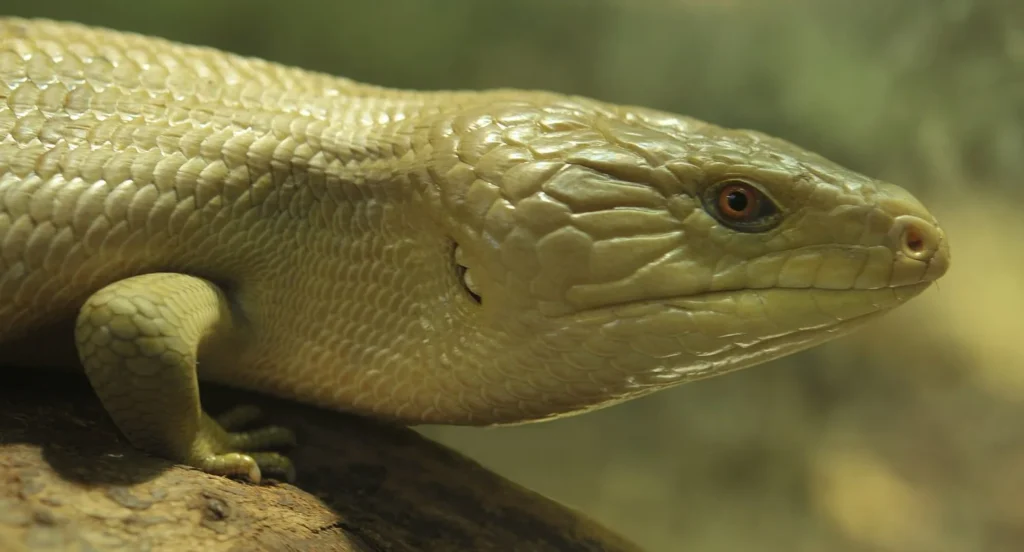
How much does a lizard cost? The animal itself is usually the smallest part of the bill. Most pet lizards sell for $20 to $200, but the enclosure, heating, and lighting almost always cost more than the lizard did.
This guide breaks the numbers down by lizard size class. It covers one time setup costs, the ongoing monthly bills, and typical reptile vet cost. See our best pet lizards for beginners guide if you have not picked a species yet.
At a glance: A starter lizard setup runs $150 to $300 for small species and $500 to $900 for large ones. Monthly upkeep, including food, electricity, and substrate, typically lands between $20 and $60. A routine reptile vet cost is $50 to $150, and problems can push a single visit past $200.
As an Amazon Associate, Lizardist earns from qualifying purchases. Some product links on this page are affiliate links.
How Much Does a Lizard Cost by Size Class
The cost of a pet lizard scales with its adult size. Bigger animals need bigger enclosures. They also need stronger heat, brighter UVB, and more food.
Small species are the cheapest pet lizard option for most first time keepers. Large species can turn into a serious long term expense.
| Size class | Example species | Purchase price | Starter setup cost |
|---|---|---|---|
| Small | Leopard gecko, crested gecko, anole | $20 to $75 | $150 to $300 |
| Medium | Bearded dragon, blue tongue skink | $50 to $150 | $250 to $450 |
| Large | Green iguana, tegu, savannah monitor | $30 to $200 | $500 to $900 |
Some large species sell cheaply because breeders overproduce them. That low price tag is misleading. A green iguana or tegu needs an enclosure the size of a wardrobe within two years, and that jump in size is where the true cost of owning a lizard shows up.
One Time Lizard Setup Cost
The lizard setup cost covers everything the animal needs on day one. None of it is optional. Skipping any of it leads to health problems that cost more later.
- Enclosure sized for the adult animal, not the juvenile
- Heat source with a dedicated thermostat
- UVB lighting matched to the enclosure length
- Safe, species appropriate substrate
- Hides, climbing branches, and a water dish
- A digital thermometer and hygrometer
| Item | Typical cost range |
|---|---|
| Enclosure (20 to 40 gallon or equivalent) | $60 to $250 |
| Heat source and thermostat | $30 to $70 |
| UVB fixture and bulb | $25 to $60 |
| Substrate, hides, and decor | $25 to $80 |
| Thermometer, hygrometer, water dish | $15 to $35 |
A thermostat, such as the Inkbird ITC-308 Digital Temperature Controller, is not optional. Without one, a heat source can overheat the enclosure. That mistake can injure or kill the lizard inside it.
Buying used gear from other keepers can cut these numbers by a third. Disinfect anything secondhand before it touches a new animal. Our reptile supplies guide covers what to check before buying used equipment.
Factors That Change the Lizard Setup Cost
A few choices swing the total more than species alone. Enclosure material matters first. Glass tanks are cheap to buy but poor at holding heat, while PVC enclosures cost more up front and hold temperature better.
Lighting setup matters second. A basic UVB tube costs less than a mercury vapor bulb that combines heat and UVB in one unit. Region matters third, since electricity rates and shipping costs for gear both vary by state.
Reptile Monthly Cost After Setup
Once the enclosure is running, the reptile monthly cost is mostly electricity and food. A few recurring supply purchases round out the bill.
| Expense | Typical monthly cost |
|---|---|
| Electricity for heat and light | $8 to $20 |
| Feeder insects or produce | $10 to $35 |
| Calcium and vitamin supplements | $3 to $6 |
| Substrate top ups | $3 to $8 |
UVB bulbs lose effective output long before they burn out. Most need replacing every 6 to 12 months. Averaged over a year, that adds only a few dollars a month.
Our heating and UVB guide covers bulb lifespans by fixture type.
Insect eaters like leopard geckos and growing bearded dragons run higher feeding costs than herbivores such as uromastyx. Live insects cost more per calorie than chopped greens. That difference adds up over a full year.
Total First Year Lizard Cost
Setup cost plus twelve months of upkeep plus one vet visit gives a realistic first year total. The table below uses the middle of each range above.
| Size class | Setup | 12 months upkeep | One vet visit | First year total |
|---|---|---|---|---|
| Small | $225 | $300 | $100 | About $625 |
| Medium | $350 | $420 | $100 | About $870 |
| Large | $700 | $600 | $150 | About $1,450 |
These totals exclude the purchase price of the animal itself. Add $20 to $200 depending on species and size class to get the full first year figure.
Lizard Setup Cost by Popular Species
Averages by size class are useful for planning, but real species vary within each class. The table below narrows the range for a few of the most commonly kept pet lizards.
| Species | Adult enclosure size | Setup cost estimate |
|---|---|---|
| Leopard gecko | 20 gallon long | $150 to $250 |
| Crested gecko | 18 by 18 by 24 inch vertical | $180 to $280 |
| Bearded dragon | 75 to 120 gallon, or 4 by 2 by 2 feet | $300 to $450 |
| Blue tongue skink | 40 to 75 gallon | $280 to $420 |
| Green iguana | Custom, 6 feet or larger | $600 to $900 |
| Savannah monitor | Custom, 6 by 3 feet or larger | $500 to $800 |
Vertical species like crested geckos need height more than floor space, so their enclosures cost less than a floor dwelling species of a similar body length. Ground dwelling species like bearded dragons and blue tongue skinks need wide floor space instead, which pushes the tank cost higher even though the animal is a similar size.
Working Out the Electricity Bill
Electricity is the one recurring cost you can calculate rather than guess. Multiply each device’s wattage by its daily hours, divide by 1,000 for kilowatt hours, then multiply by your rate.
The U.S. Energy Information Administration puts the 2025 average residential rate at 17.3 cents per kilowatt hour. State averages range from 8.2 cents in North Dakota to 35.7 cents in Hawaii.
| Setup | Devices and hours | Monthly kWh | Monthly cost at 17.3 cents |
|---|---|---|---|
| Leopard gecko | Heat mat 8 W, 24 h, plus 25 W bulb, 12 h | About 15 | About $2.60 |
| Bearded dragon | Basking bulb 75 W, 12 h, plus T5 UVB 24 W, 12 h | About 36 | About $6.20 |
| Green iguana | Two 100 W heat lamps, 12 h, plus 39 W UVB, 12 h, plus 60 W night heat, 12 h | About 108 | About $18.70 |
A thermostat, such as an Exo Terra Dimming and Pulse Proportional Thermostat, trims those numbers, because a dimmed or cycling lamp draws less than its rated wattage most of the day. A cold room pushes them back up, since the lamp runs at full power for longer. Double the figure for a Hawaii rate and halve it for the cheapest states.
How Climate Affects Reptile Monthly Cost
A lizard kept in a cool house runs a bigger heating bill than one kept in a warm climate. Winter heating costs can rise well above the summer average in northern regions.
Keepers in colder climates sometimes add a space heater to the reptile room itself, rather than relying on the enclosure heater alone. That approach can lower the electricity load on the enclosure heater and even out the total bill across the year.
Reptile Vet Cost
Veterinary care is the part of lizard ownership new keepers most often underestimate. The Association of Reptile and Amphibian Veterinarians, known as ARAV, maintains a directory of vets trained specifically in reptile medicine. General small animal vets are not always equipped for exotic patients.
VCA Animal Hospitals recommends a baseline exam within two weeks of bringing a reptile home. At least one checkup a year is standard after that, and some veterinarians suggest twice yearly visits. A routine exam typically includes a physical check and a fecal parasite screen.
Budget $50 to $150 for a straightforward annual visit. Diagnostics get more expensive if a problem shows up.
The Merck Veterinary Manual notes that reptile care can involve radiographs, ultrasound, or endoscopy for internal issues. Those procedures can push a single visit well past $200. Our lizard health guide covers the warning signs worth a vet visit on their own.
Setting aside an emergency fund of a few hundred dollars before you buy a lizard is a realistic part of the cost of a pet lizard. Illness in reptiles often hides until it is advanced, so early exams matter.
Hidden and Occasional Lizard Costs
A few expenses only show up after the first year, so new keepers often miss them when they price out how much does a lizard cost to own. Planning for them now avoids a surprise bill later.
- Thermostat replacement every few years as the unit ages
- A bigger enclosure as a juvenile lizard grows into an adult
- Boarding or a reptile sitter during travel
- Repairs to enclosure seals, screen lids, or fixtures
- Emergency vet visits, which are rare but not optional to plan for
None of these costs hit every month. They do hit eventually, and building a small buffer into the yearly budget keeps them from being a crisis when they arrive.
Buying vs Adopting a Lizard
Rescues and reptile rehoming groups often place lizards for a small adoption fee or no fee at all. That lowers the purchase price side of the ledger, sometimes to zero.
The setup cost does not change. An adopted lizard still needs the full enclosure, heating, and lighting a purchased one needs. Adoption can also come with an existing enclosure and gear from the previous owner, which is where the real savings usually show up.
Check any secondhand enclosure carefully before use. A cracked thermostat probe or a UVB bulb near the end of its life can undo the savings quickly.
Cheapest Pet Lizard Options
If budget is the main concern, a few species combine low purchase prices with modest ongoing needs.
- Leopard gecko: small enclosure and a simple insect diet
- Anoles: inexpensive, small footprint, low food volume
- Crested gecko: no live insects needed with a commercial powdered diet
Even the cheapest pet lizard, such as a leopard gecko or crested gecko, still needs a properly sized enclosure. Correct heating and UVB are not places to cut corners. A $20 gecko in an undersized tank with the wrong temperature gradient will cost far more in vet bills than a $20 gecko housed correctly from the start.
See our lizard enclosures guide for sizing details before you buy a tank. Getting the size right the first time avoids paying for a second enclosure within a year.
Frequently Asked Questions
What is the cheapest pet lizard to own long term?
Small insectivores and geckos such as leopard geckos, crested geckos, and anoles tend to have the lowest combined setup and monthly costs. Their enclosures stay small into adulthood, and their food volume is modest compared to larger species.
How much does a lizard setup cost before buying the animal?
A basic starter setup for a small species runs $150 to $300. Medium and large species often need $400 to $900 once the enclosure, heating, and lighting are all accounted for.
What is a realistic reptile monthly cost?
Most keepers spend $20 to $60 a month on electricity, food, and supplies for a single lizard. Larger species and live insect feeders push that figure toward the higher end.
How much should I set aside for reptile vet cost?
Plan for $50 to $150 for a routine annual exam and fecal check. Set aside a separate emergency fund of a few hundred dollars in case of illness or injury.
Do larger lizards always cost more than smaller ones?
Generally yes, because enclosure size, heating output, and food volume all scale with body size. A tegu or large monitor can need an enclosure that costs several times more than a gecko requires.
Can I lower the cost of owning a lizard without harming it?
Yes, by buying gear secondhand, building a simple enclosure instead of a premium one, and choosing a smaller species suited to your budget. Do not cut corners on heating, UVB, or veterinary care.
Sources
- VCA Animal Hospitals: Veterinary Care, New Reptile Visit. https://vcahospitals.com/know-your-pet/veterinary-care-new-reptile-visit
- Merck Veterinary Manual: Clinical Procedures for Reptiles. https://www.merckvetmanual.com/exotic-and-laboratory-animals/reptiles/clinical-procedures-for-reptiles
- Merck Veterinary Manual: Parasitic Diseases of Reptiles. https://www.merckvetmanual.com/exotic-and-laboratory-animals/reptiles/parasitic-diseases-of-reptiles
- Association of Reptile and Amphibian Veterinarians: Find A Vet directory. https://www.arav.org/find-a-vet
- U.S. Energy Information Administration: Electricity Explained, Prices and Factors Affecting Prices. https://www.eia.gov/energyexplained/electricity/prices-and-factors-affecting-prices.php