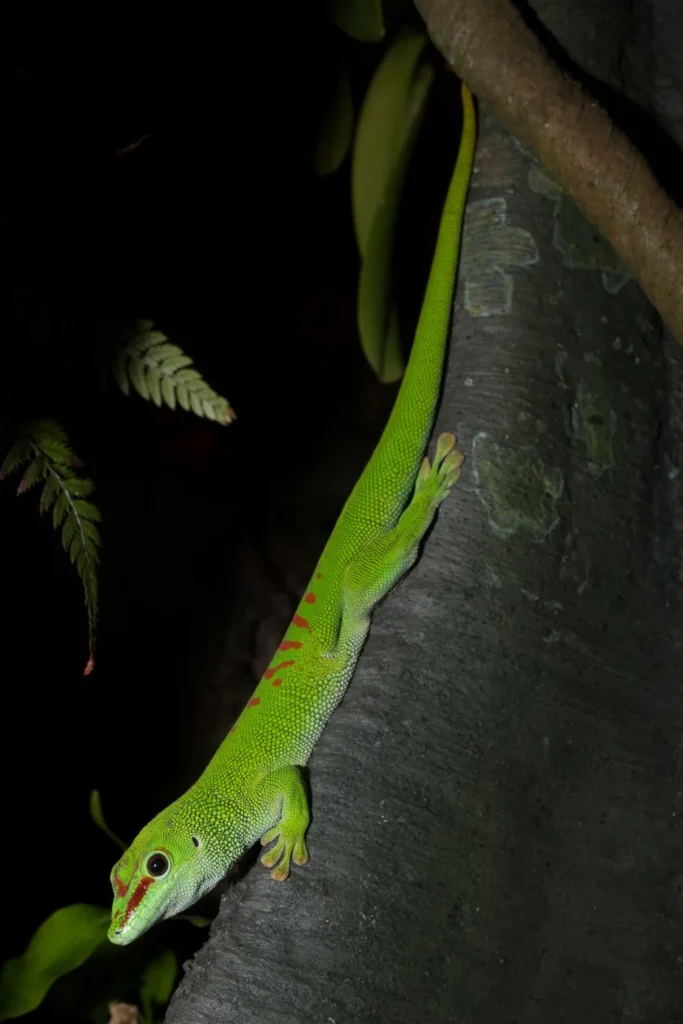
Lizard shedding is the normal process of replacing old skin with a new layer growing underneath it. Most pet lizards shed skin in patches rather than in one full piece like a snake. A healthy shed leaves clean, dry skin behind with no retained patches on the toes, tail, or eyes.
At a glance: Juveniles shed every one to two weeks, and adults shed roughly every four to eight weeks. Low humidity is the most common cause of stuck shed, and a warm soak plus a humid hide, such as an Exo Terra/Zoo Med Humid Hide (with moss chamber), fix most mild cases. Shed trapped on toes or over the eyes needs prompt attention.
As an Amazon Associate, Lizardist earns from qualifying purchases. Some product links on this page are affiliate links.
How Lizard Shedding Works
Shedding, known to veterinarians as ecdysis, replaces the outer skin layer as a lizard grows or heals. A hormone shift loosens the old skin from a new layer growing underneath. Within a few days the old layer separates and comes away in flakes or larger pieces.
Before a shed, skin often turns dull, gray, or slightly cloudy. Some species show a milky look over the eyes a day or two before the skin lifts. Appetite and activity can also drop briefly.
How Often Do Lizards Shed
How often do lizards shed depends mostly on age and species. Young, growing lizards shed every one to two weeks, since their skin cannot keep pace with such rapid growth otherwise. Adults slow down to roughly once every one to two months.
| Group | Juvenile frequency | Adult frequency |
|---|---|---|
| Bearded dragons | Every 1 to 2 weeks | Every 4 to 6 weeks |
| Leopard geckos | Every 1 to 2 weeks | Every 3 to 6 weeks |
| Blue tongue skinks | Every 2 to 3 weeks | Every 6 to 8 weeks |
| Monitors and iguanas | Every 2 to 4 weeks | Every 6 to 10 weeks |
These ranges shift with temperature, diet, and general health. No veterinary source publishes fixed intervals for every species, so treat the table as a guide and track your own animal’s pattern in a notebook. A shed that arrives far outside its usual rhythm is the useful signal.
How Each Group Sheds
Leopard geckos and African fat tailed geckos shed the whole body in one session, often at night, and usually eat the skin as it comes free. Because their cycle is complete rather than patchy, LafeberVet lists them among the lizards most prone to dysecdysis. A gecko that looks pale and waxy in the evening has often finished by morning.
Bearded dragons, iguanas, and monitors shed in patches over one to two weeks, with the head, back, and limbs going at different times. That is normal and does not mean the shed is stuck. Chameleons shed in large flakes over a few days, and stress or dehydration drags the process out.
Skinks and other lizards with very small toes retain shed on the digits more than any other group, according to LafeberVet. Check blue tongue skink toes after every shed. The same applies to small geckos with fine toe tips.
Do Lizards Eat Their Shed Skin
Many lizards, including bearded dragons and leopard geckos, eat their shed skin as it comes off. Consuming the skin recycles protein and calcium instead of wasting those nutrients. It may also clear a scent trail that could draw a predator’s attention in the wild.
This behavior is normal and does not need to be stopped or encouraged. Owners only need to step in when skin fails to come off on its own.
What Causes Stuck Shed (Dysecdysis)
Stuck shed is called dysecdysis by veterinarians. It happens when old skin fails to separate cleanly from the new layer underneath it. Low humidity is the leading cause because dry skin does not loosen the way it should.
Poor hydration and low calcium or vitamin A also raise the risk. So does an enclosure that lacks rough surfaces to rub against. Illness, parasites, and old injuries can disrupt a normal shed cycle too.
A lizard recovering from a burn, scale rot, or a mite infestation often sheds unevenly around the affected area. Lizard shedding problems that keep repeating on the same body part usually point to an underlying issue. Simple dry air is rarely the only cause in those repeat cases.
Shed on Toes, Tail Tips, and Eye Caps
Retained shed on toes and the tail tip is the most dangerous form of stuck shed. Old skin can dry into a tight ring that keeps tightening as it shrinks. That ring cuts off blood flow to the tissue below it.
Left alone, a constricting ring can kill the tip of a toe or tail within days. The affected area darkens, then hardens, and can eventually drop off.
Geckos without movable eyelids, such as crested geckos and day geckos, can also retain the clear eye cap. That cap is called the spectacle, and it clouds vision until it comes free. Leopard geckos have true eyelids, but shed can still collect along the eyelid rim and irritate the eye.
Humidity Targets During a Shed
Humidity is the lever keepers control, so it deserves numbers. The Merck Veterinary Manual notes that humidity below 35 percent leads to dry skin and abnormal shedding in species that need moisture, while levels held above 70 percent invite skin infections in dry climate species. Its husbandry table adds that humidity needs rise substantially during ecdysis for every reptile.
| Lizard | Everyday humidity (Merck) | During a shed |
|---|---|---|
| Leopard gecko | 20 to 30 percent | Humid hide with damp moss, ambient unchanged |
| Bearded dragon | 20 to 30 percent | Warm soak, brief misting of the shedding area, ambient unchanged |
| Savannah monitor | 20 to 40 percent | Humid hide or damp substrate layer under the hide |
| Green iguana | 60 to 85 percent | Daily misting or a soak, raise toward the top of the range |
| Water dragon | 80 to 90 percent | Keep at the top of the range, large water area |
Desert species do not need the whole enclosure raised. A humid hide gives the lizard a pocket at 70 to 80 percent it can choose, while the rest of the enclosure stays dry enough to prevent respiratory and skin problems. Humid species need the ambient level itself pushed up.
Safe Ways to Help a Stuck Shed
Start with the environment rather than the lizard itself. A humid hide helps most: line a small box with damp moss or paper towel and place it in the enclosure. Check the water dish and misting schedule too.
Confirm overall humidity against the species’ normal range with a reliable hygrometer. A warm soak of ten to fifteen minutes in shallow, lukewarm water softens stubborn patches on the body. After soaking, gently rub the loosened skin with a soft, wet cloth or a cotton swab.
Never pull, peel, or scrape at skin that has not loosened on its own. Skip petroleum jelly, mineral oil, and other heavy ointments. They trap moisture and bacteria against the skin instead of helping it release.
A licensed reptile veterinarian should remove any shed wrapped tightly around a toe, the tail, or an eye. Waiting even a day or two can decide whether a limb heals fully or is lost.
Why Is My Lizard Not Shedding At All
If weeks pass with no shedding at all, the enclosure setup is the first thing to check. Temperatures that run too low slow every part of a lizard’s metabolism, including skin turnover. Reviewing basic heating and UVB setup often uncovers the problem.
Underweight or sick lizards also shed less often because their bodies prioritize other functions first. A vet visit is worthwhile if a lizard has gone noticeably longer than its usual cycle. Weight loss or reduced appetite alongside a stalled shed is another reason to call.
Cool conditions stall the cycle in every group, from blue tongue skinks to green iguanas, so check temperatures before anything else.
When to See a Reptile Veterinarian
Contact a reptile veterinarian for shed skin that will not come off after a soak and gentle rubbing. This matters most on toes, the tail, or the eyes. Also seek care for discolored, swollen, or cold digits, since these can signal that blood flow is already cut off.
A vet can safely remove tightly wrapped skin and check for an underlying cause. Repeated stuck sheds, weight loss, or skin that looks infected under the retained layer are reasons to book a visit. Do not wait for the next cycle to see if it clears on its own.
Early treatment for dysecdysis is far simpler than treating tissue that has already died. For a wider look at illness signs beyond shedding, see the lizard health guide.
Frequently Asked Questions
How often do lizards shed?
Juveniles typically shed every one to two weeks because they are growing quickly. Adults slow to roughly once every one to two months. Exact timing varies by species, diet, and enclosure conditions.
Why is my lizard not shedding?
Low temperatures or humidity below the species’ target range are the most common reasons a shed cycle stalls. Being underweight or unwell can also slow shedding. Check husbandry basics first, then consult a vet if the lizard has gone far longer than its usual cycle.
What is a humid hide and how does it help shedding?
A humid hide is a small enclosed box, lined with damp sphagnum moss or paper towel, placed on the warm side of the enclosure. It gives a desert lizard a pocket of 70 to 80 percent humidity to rest in during a shed while the rest of the tank stays dry. Many keepers leave one in permanently rather than only during shedding.
Do lizards eat their skin?
Yes, many lizards eat their shed skin as it comes free, and this is normal behavior. It recycles protein and calcium the body already used to build that skin. There is no need to stop a lizard from eating its own shed.
What causes stuck shed on toes?
Dry skin does not separate cleanly and can form a tight ring around a toe or the tail tip. That ring keeps shrinking and can cut off circulation. This is one of the few shedding problems that needs prompt attention.
Can I peel off my lizard’s stuck shed?
Do not pull or peel skin that has not loosened on its own. This can tear healthy tissue underneath it. Soak the lizard, then gently rub the area with a soft, damp cloth, and see a vet for shed wrapped tightly around a toe, tail, or eye.
Sources
- VCA Animal Hospitals: Bearded Dragons – Problems. https://vcahospitals.com/know-your-pet/bearded-dragons-problems
- LafeberVet: Presenting Problem – Dysecdysis in Reptiles. https://lafeber.com/vet/presenting-problem-dysecdysis-in-reptiles/
- Merck Veterinary Manual: Providing a Home for a Reptile. https://www.merckvetmanual.com/all-other-pets/reptiles/providing-a-home-for-a-reptile
- Merck Veterinary Manual: Important Husbandry Requirements for Selected Reptiles (table). https://www.merckvetmanual.com/multimedia/table/important-husbandry-requirements-for-selected-reptiles
- Long Island Bird and Exotics Veterinary Clinic: Guide to Leopard Gecko Shedding. https://www.birdexoticsvet.com/post/leopard-gecko-shedding