THE PET LIZARD ATLAS EXPLORE / UNDERSTAND / CARE
THERE’S A WORLD BEYOND THE GLASS. Meet the canopy climbers. The desert dwellers.
The extraordinary animals we share our homes with.
EXPLORE THE SPECIES ↗
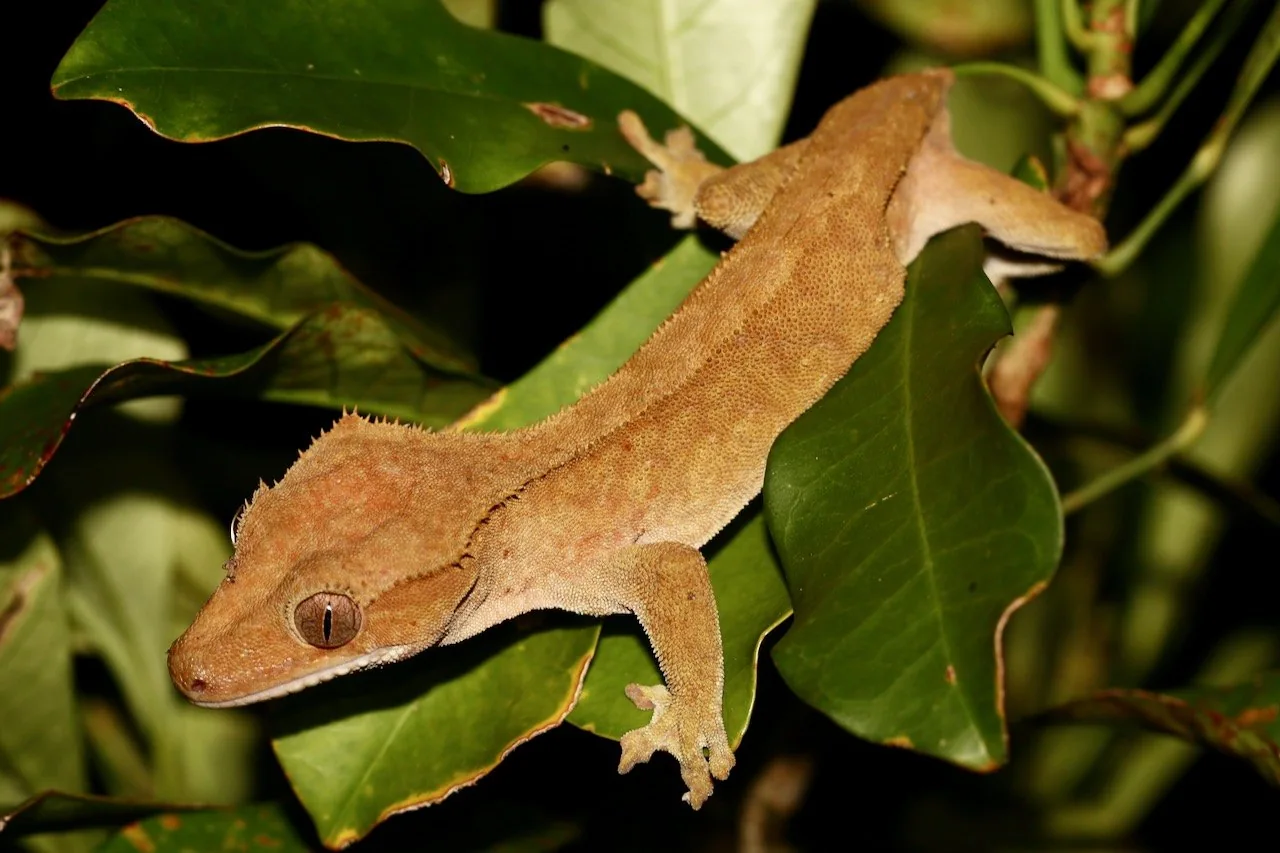
IN THE CANOPY Correlophus ciliatus
NATIVE RANGE
NEW CALEDONIA ↓
YOUR NEXT DISCOVERY STARTS HERE.
01 / MEET THE INHABITANTS
Start with the animal.
Discover the care behind the character.
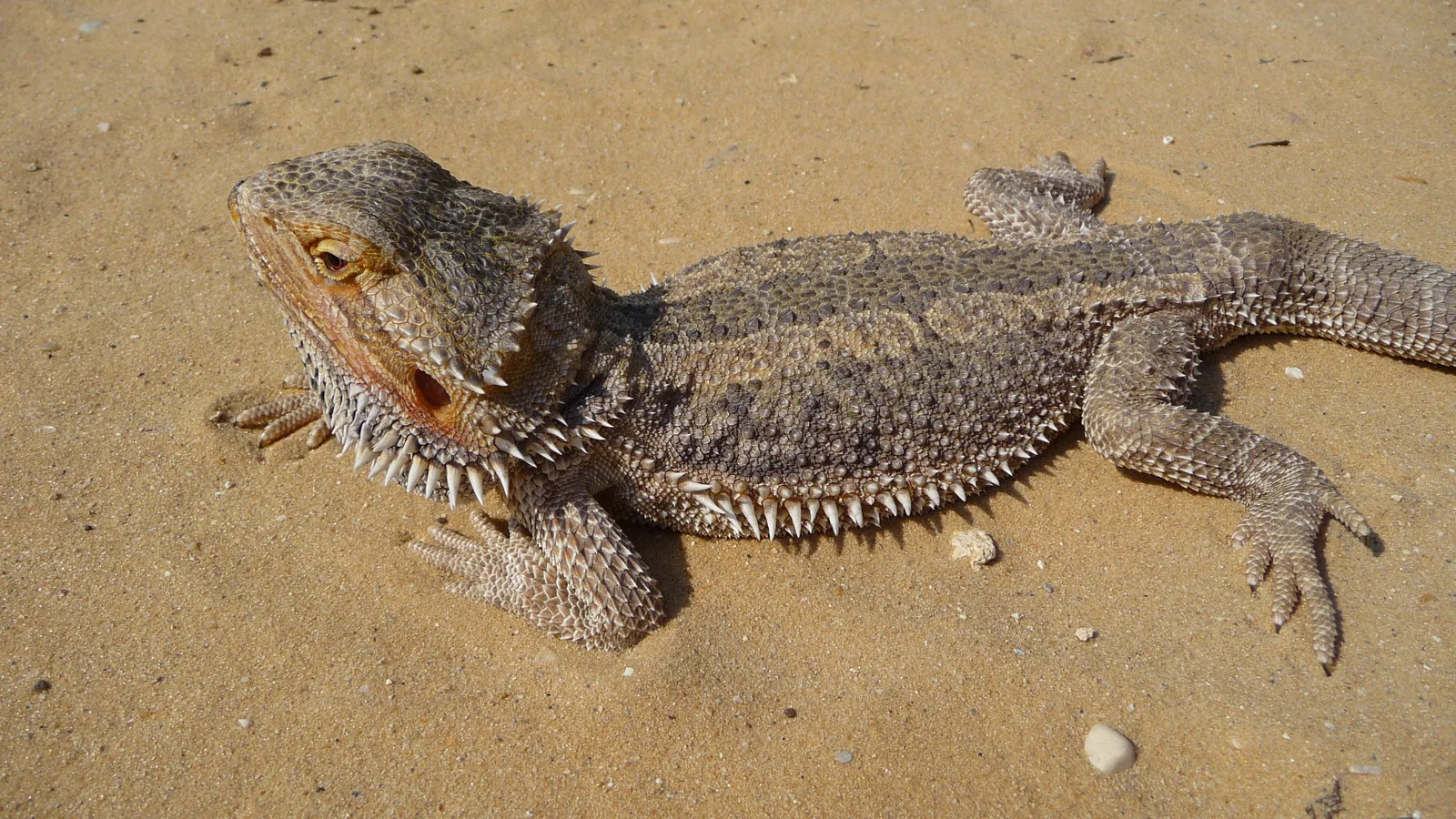
DRAGONS Australia's spiky, sun loving lizard that waves hello and settles in fast.
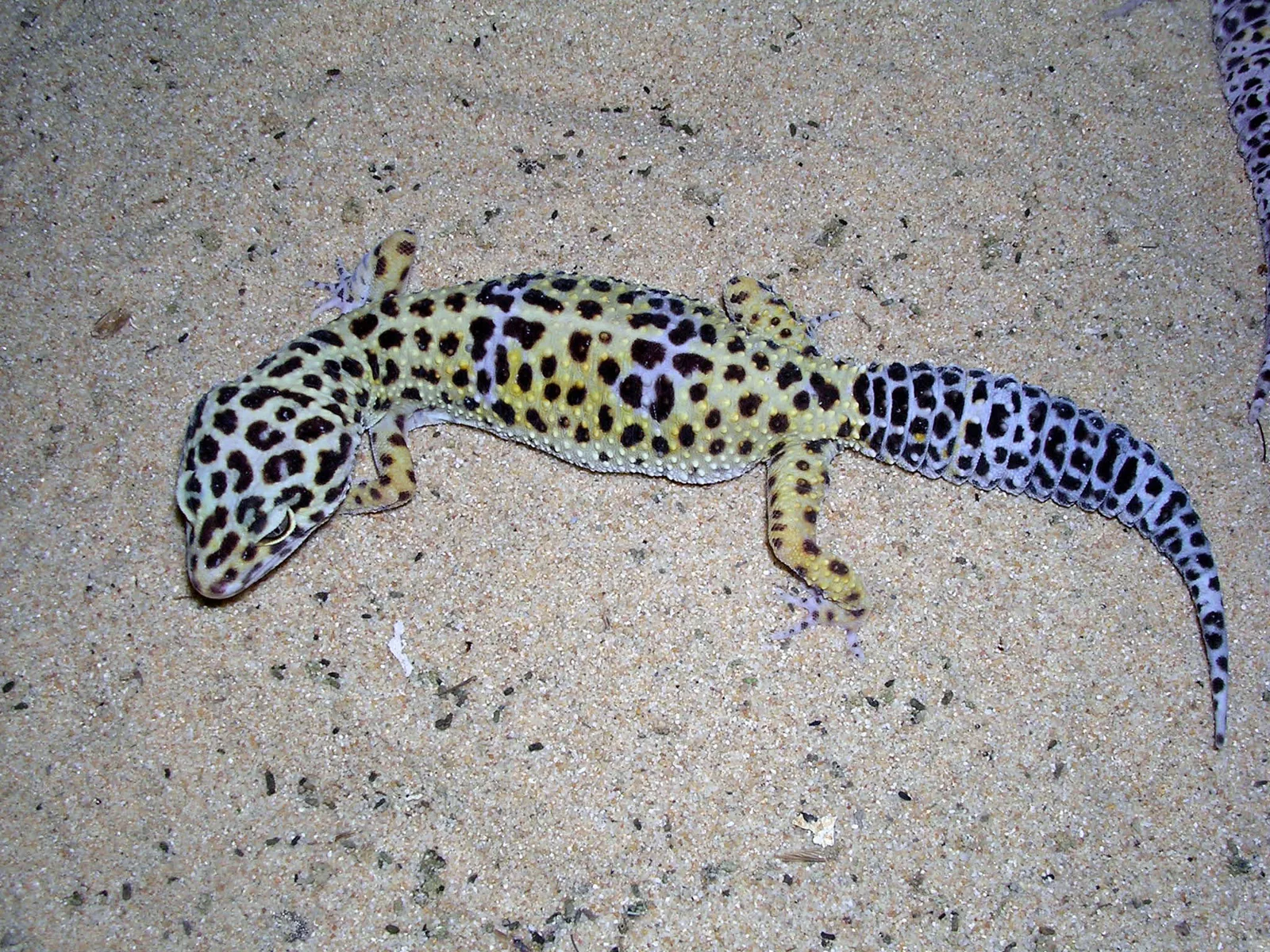
GECKOS A spotted, ground dwelling gecko with blinking eyelids that helped launch the modern reptile hobby.
GECKOS A gentle, big eyed forest gecko from New Caledonia that thrives without a heat lamp.
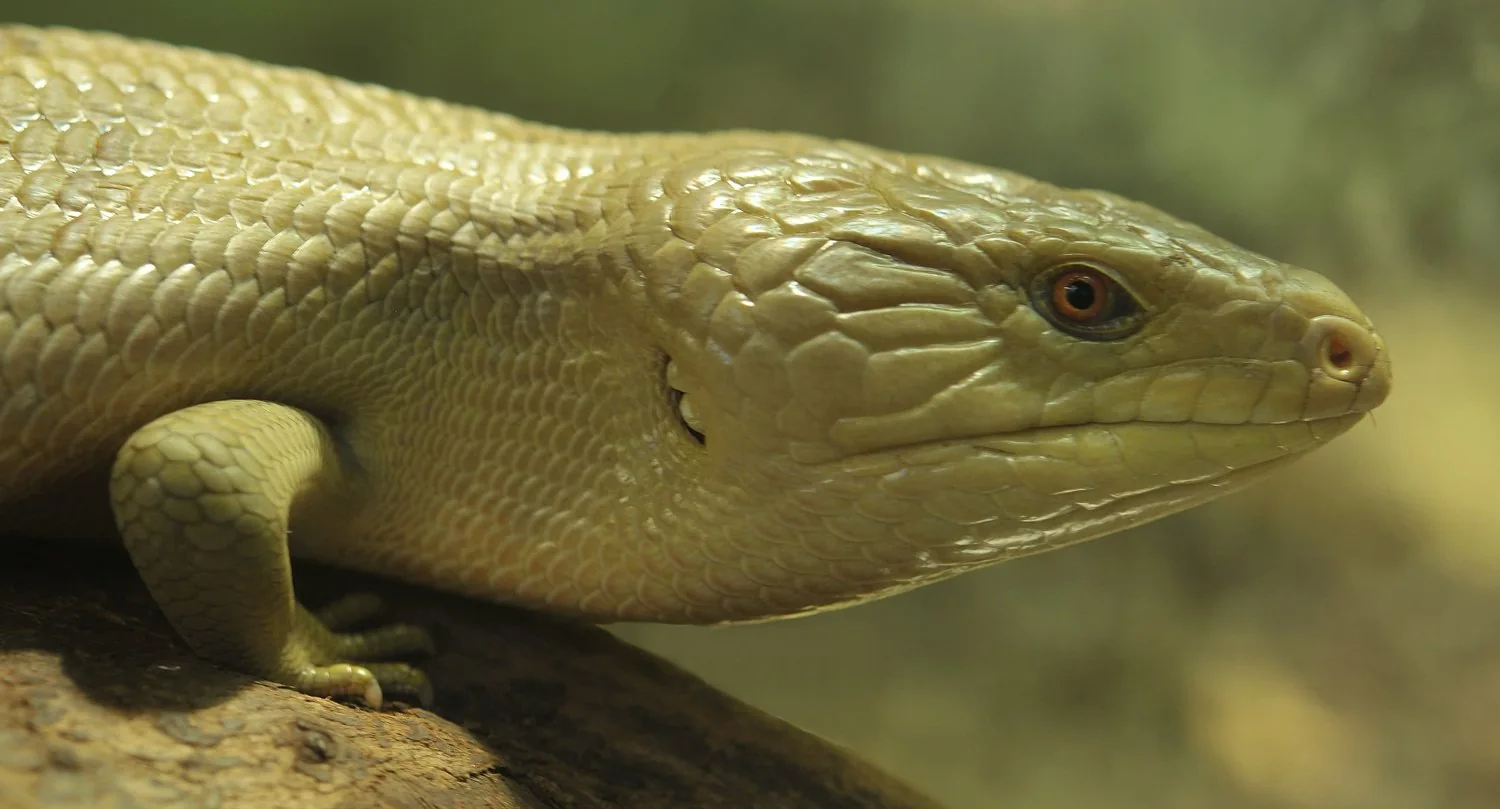
SKINKS A stocky, easygoing lizard famous for its bright blue tongue and calm temperament.
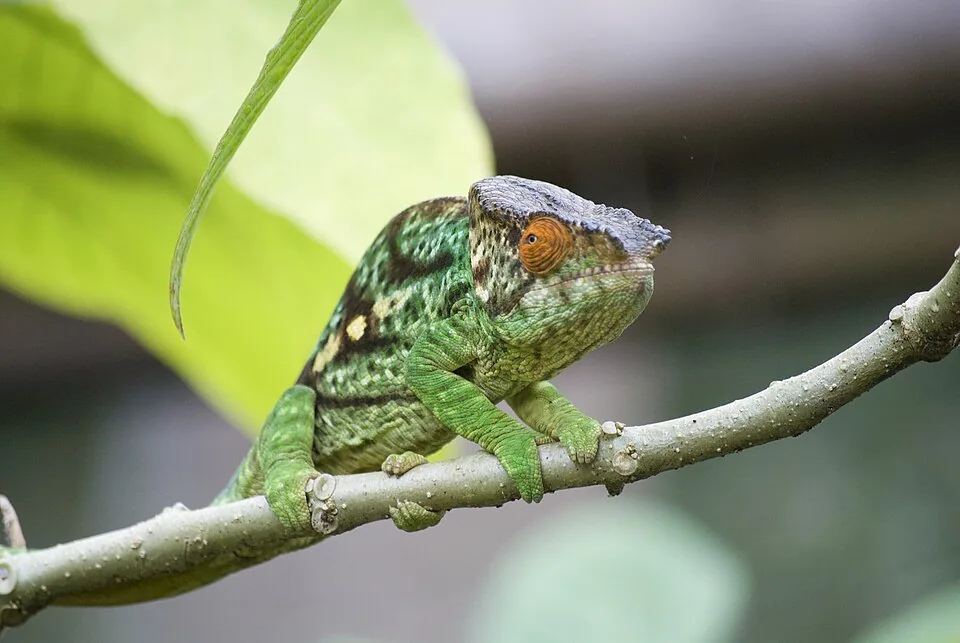
CHAMELEONS Madagascar's most colorful chameleon, prized for locality based blues, reds, and greens.
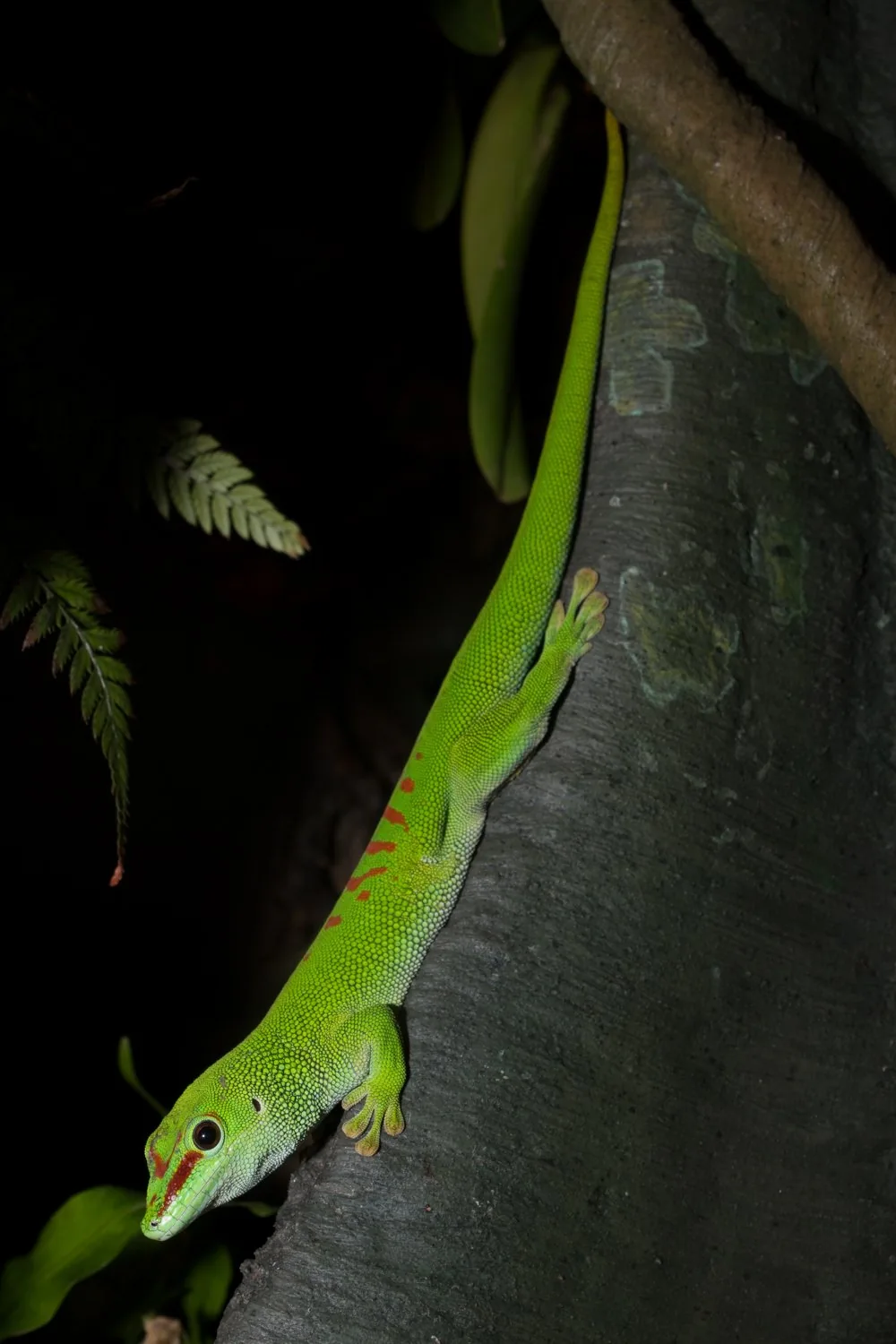
GECKOS A brilliant green Madagascar climber built for warm branches, bright light, and quick escapes.
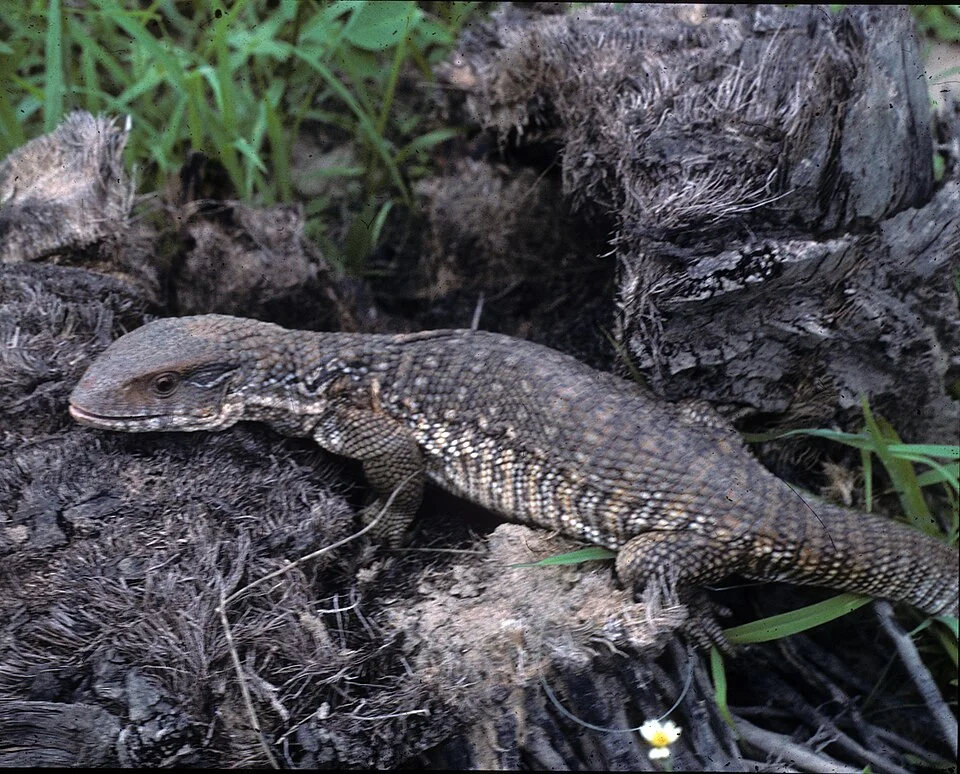
MONITORS A stocky, ground digging African monitor built for crushing snails, not climbing trees.
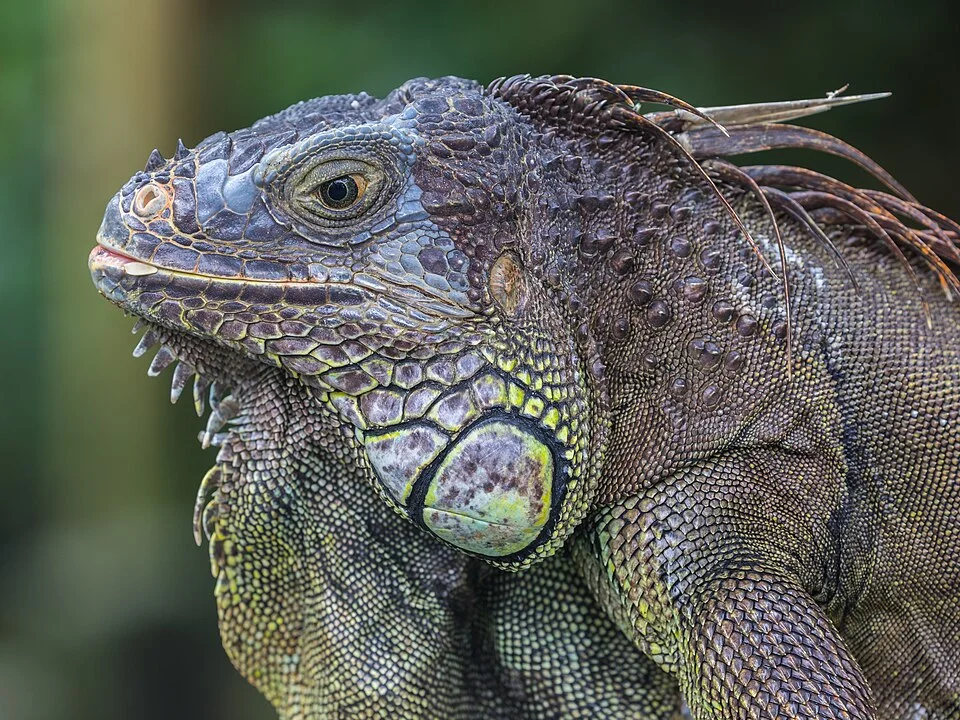
IGUANAS & ANOLES A rainforest giant that outgrows its first tank fast and can live for decades.
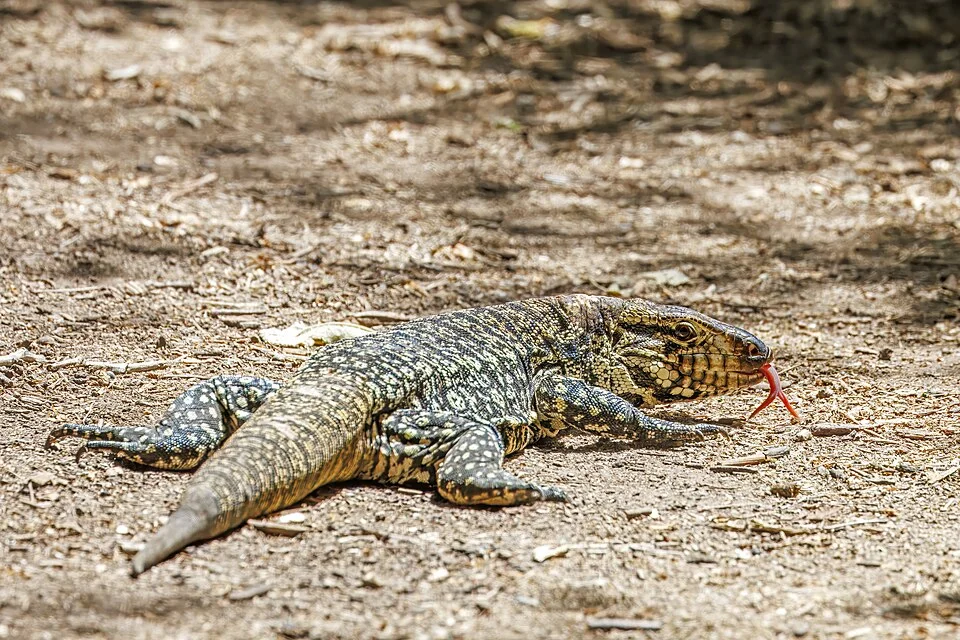
TEGUS A giant, food motivated South American lizard that needs serious space and heat to thrive.
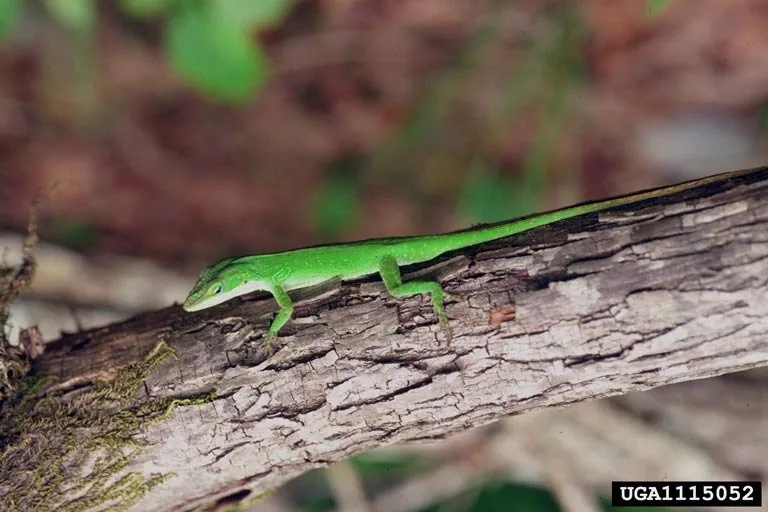
IGUANAS & ANOLES A small, color shifting lizard from the southeastern US that thrives on warmth, humidity, and room to climb.
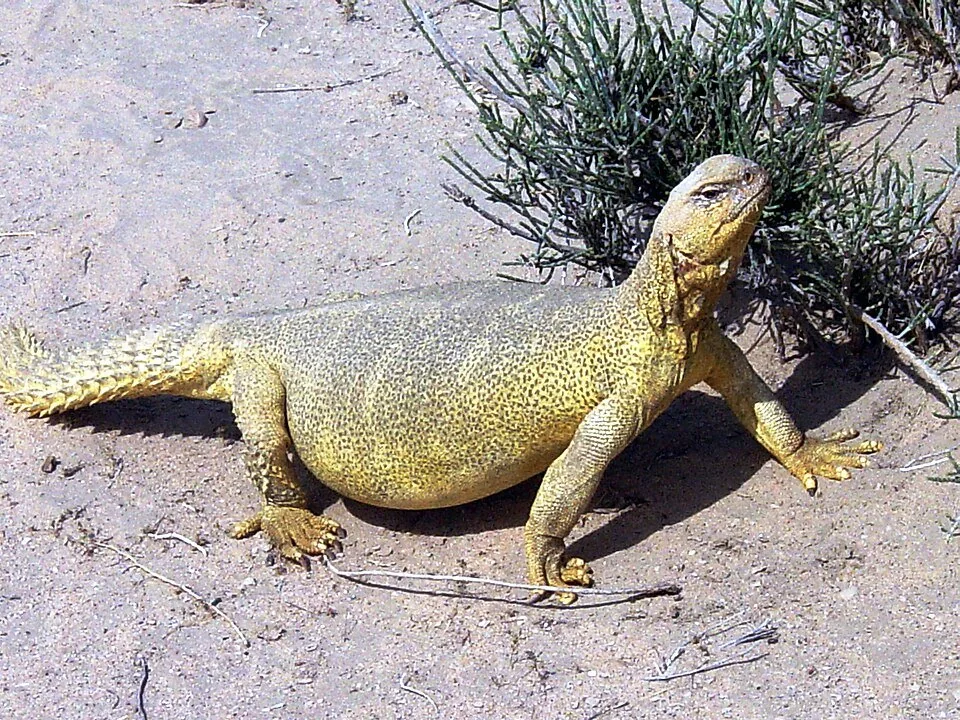
LIZARD GROUP Spike tailed desert lizards that trade water for sun, and greens for almost everything else.
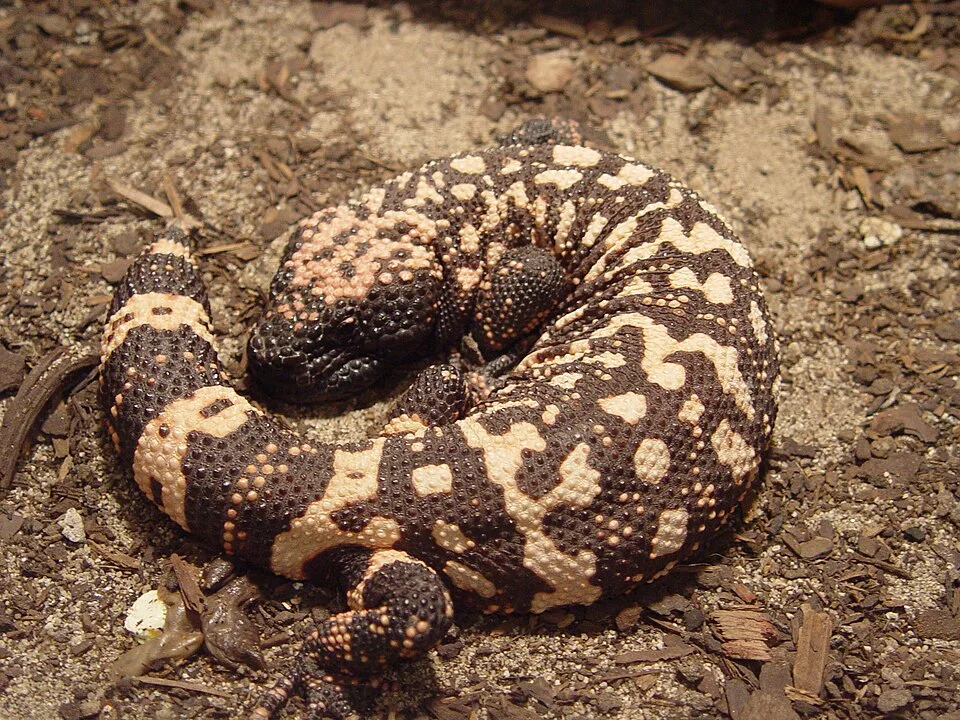
OTHER LIZARDS A venomous, protected desert lizard best admired from a distance, not kept as a pet.
BROWSE ALL 158 SPECIES ↗
THE SPECIES HUB / EVERY DETAIL CONNECTED
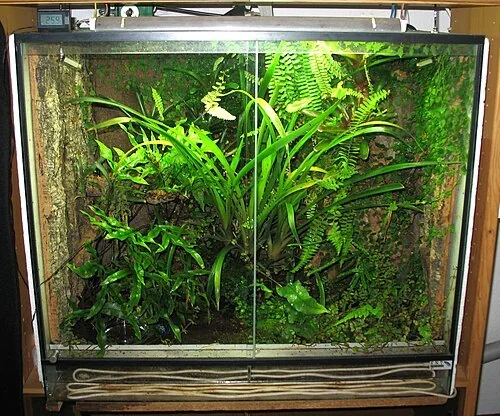
02 / RECREATE THE CONDITIONS
Think about space, light, warmth and moisture.
Every element serves the animal.
03 / THE SAFE-FOOD DATABASE One food can mean different things for different lizards. Start with the species in your care.
 LOOK CLOSER
BEFORE THE FIRST BITE.
THE FOOD FINDER Look up a food in the context of the species in your care.
SPECIES CONTEXT PREPARATION DIET ROLE
04 / FOOD & FEEDING
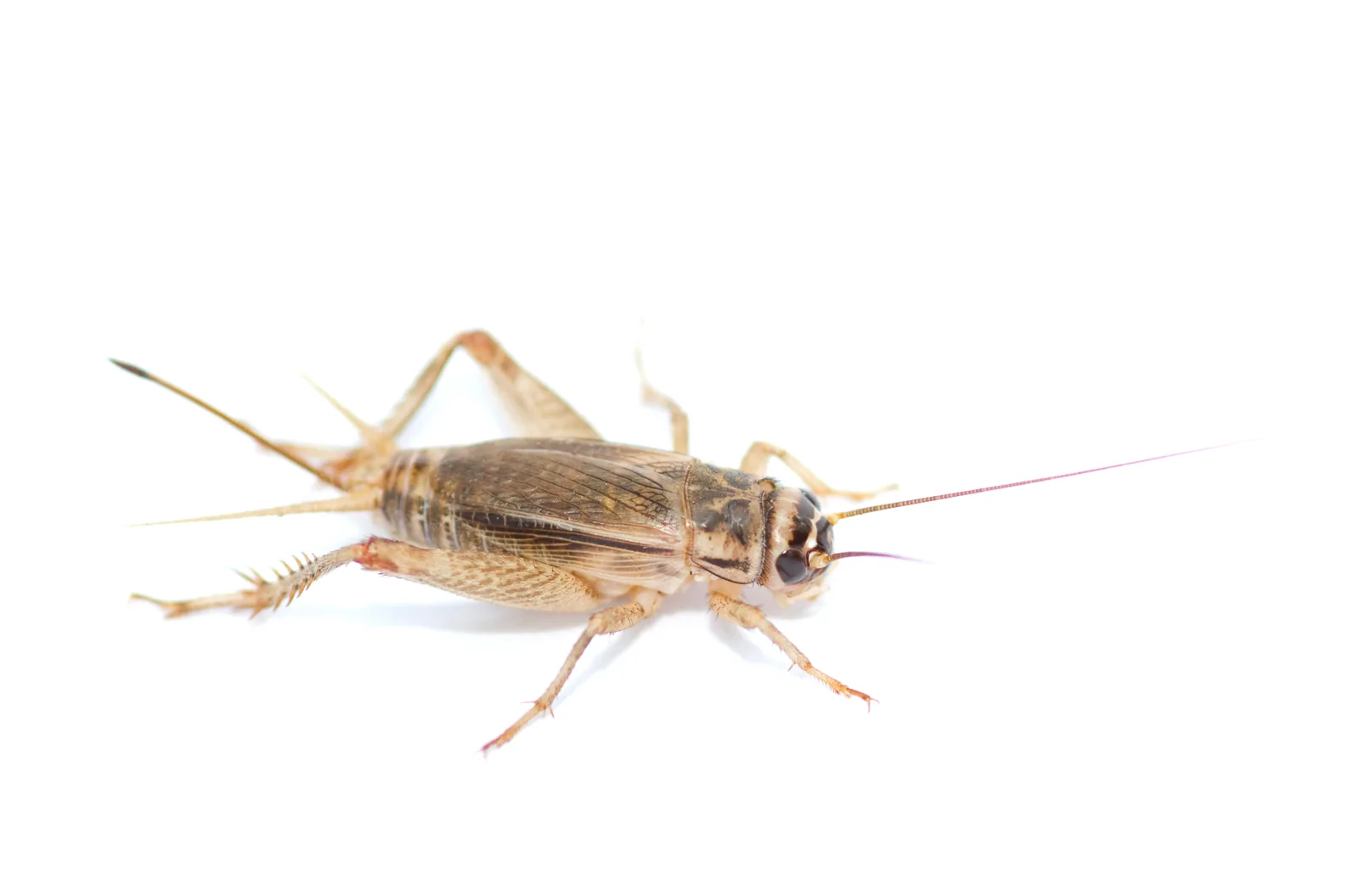
Get to know the feeders.
Understand what goes into feeding them.
05 / HEALTH & OBSERVATION A different appetite. A new behavior.
Understand what you’re seeing.
INFORMATION IS A STARTING POINT. A reptile veterinarian can help with diagnosis and care.
Signs of illness ↗
06 / THE MORPH DATABASE
Color, pattern and the genetics behind them.
Explore the details that make a difference.
07 / CHOOSING & BUYING Find a species that fits the space, routine and commitment you can offer.
08 / THE EQUIPMENT GUIDE
Understand what the equipment needs to do.
Then decide what belongs in the setup.